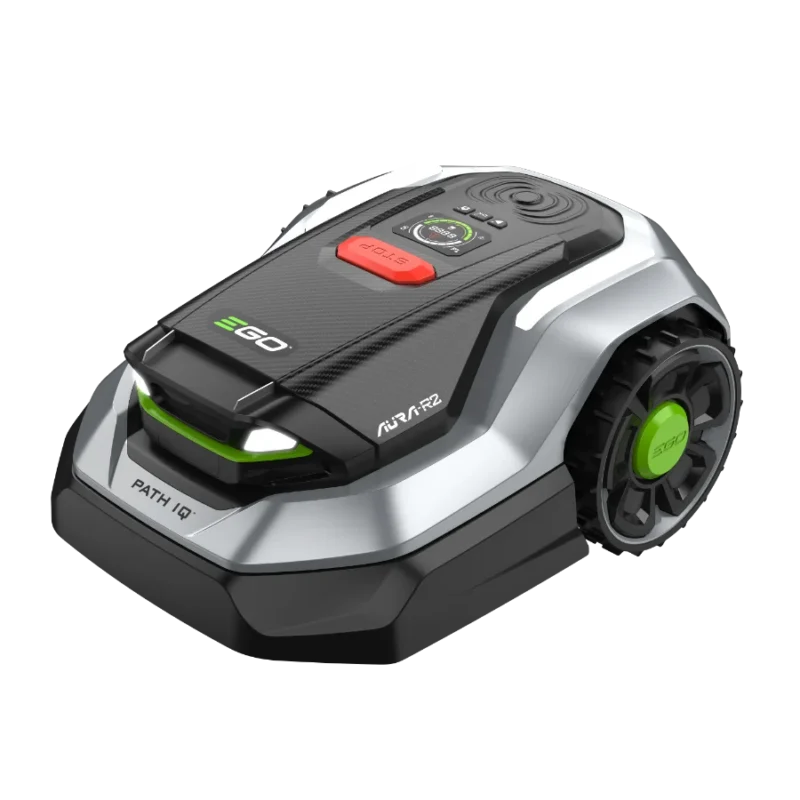
How to prepare a robot mower for winter and why is servicing needed?

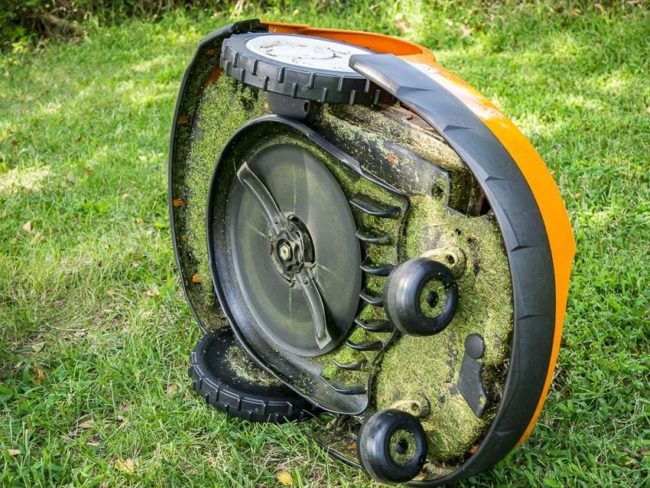
In autumn, when temperatures drop to around 5 degrees, it is sensible to take in the robot mower together with its charging station. Below, we give our own recommendations for the winter storage and maintenance of Stihl and Viking iMow robot mowers.
Before that, the robot's battery should be charged to 100% and then the automatic schedule - i.e. the robot's active times - should be switched off. On GPS models, the GPS protection should also be switched off - this can be turned off both from the app and from the robot's settings. Once the automatic schedule is switched off, in the first week the robot checks a couple of times a day whether it needs to go mowing, in the second and third weeks it checks once a day, and after that it no longer switches itself on, i.e. it goes into winter hibernation.
Be sure to clean the robot mower with a brush and cloth before storage. The robot should be cleaned without using water - although the robot is waterproof on top, water must not get underneath the base. If you discover defects during cleaning that need a specialist's hand, be sure to bring the robot to Saemeister for repair before putting it away for winter.
The cover should be removed from the charging station and it should be disconnected from the mains. The perimeter cables should also be disconnected - on models of different years this can be done in different ways (either by connectors). The perimeter cable wires must also be removed from the mat and the loose ends sealed hermetically (moisture-proof), for example with insulating tape. We recommend collecting up the power cable or, if that is not possible, sealing the power-cable end hermetically as well.
Once the charging station has been collected up, it could be reconnected to the power cable in a warm room without plugging it into the wall, and the robot placed in the charging station. The robot and the station should be stored at +10 to +15 degrees and in a dry place. In a warmer room the battery may discharge more quickly.
If you collect the robot up at the end of October or in November, it would be sensible to charge the robot's battery once, for example in February. To do this, connect the charging station's cable to the mains now and press the OK button - the robot then wakes from its winter hibernation, and if the battery is at 85% or less, it starts charging. If the battery has discharged less during this time, the robot may not start charging. You can also check this from the main menu by pressing the Information button. The robot could be charged over a long day or overnight and then disconnected from the mains again.
If you can't be bothered with all this fuss, you can always bring the robot to us for storage. If you want the charging station to stay nice and in working order for a long time, we would still recommend taking it indoors for the winter.
Over the course of a season the robots travel even up to 1000 km, and so the iMows need a little care, starting with simple dirt cleaning and ending with tests of more complex components. All this so that they work without faults next season.
What to service and why?
Servicing consists of three main parts:
1. Diagnostics
2. Cleaning and fault rectification
3. Replacement of wear parts
Diagnostics
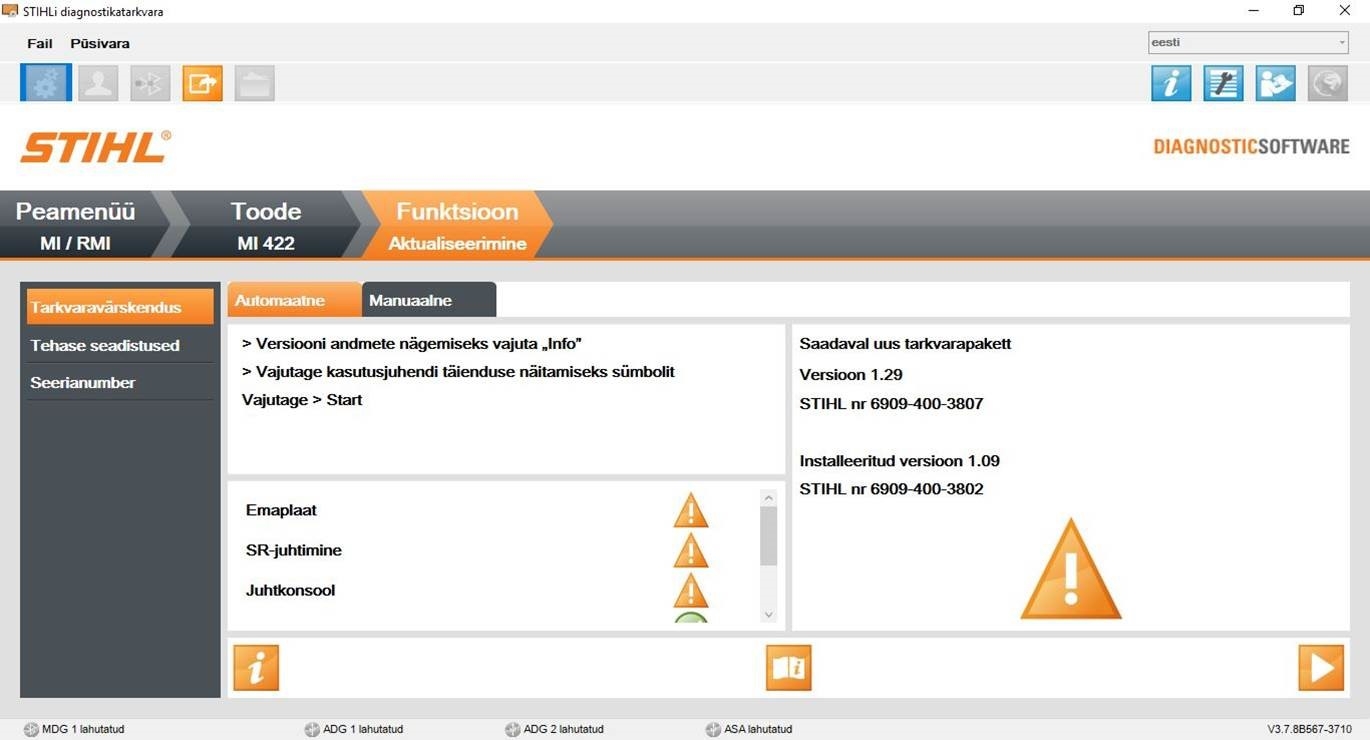
Diagnostics mostly involves resetting the service intervals and producing a summary of the past year. For example, how much electricity the iMow used for charging, how many times the battery was charged in total, how many hours were spent mowing, how many times it rained or the iMow bumped into an obstacle. The diagnostics also give an overview of the faults that occurred during the season, on the basis of which we can give recommendations for adjusting the mowing area or the settings. The software may also need updating.
Cleaning
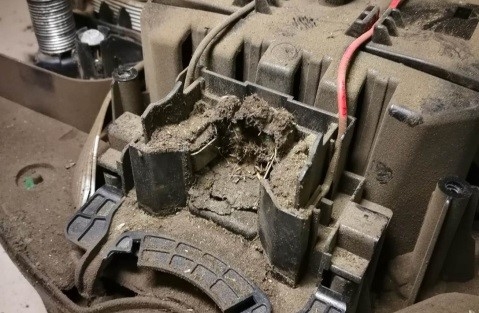
While at first glance it may seem that only the mowing deck and plastic covers need cleaning, the matter is actually considerably more complicated. Usually grass and other debris accumulate around the axles. To avoid overloading the wheel motor, the wheels must be removed and the areas around the axles and the wheels cleaned to ensure their free and unobstructed movement. The front-wheel bushings also need cleaning and lubricating with a special grease, and worn parts must be replaced if necessary.
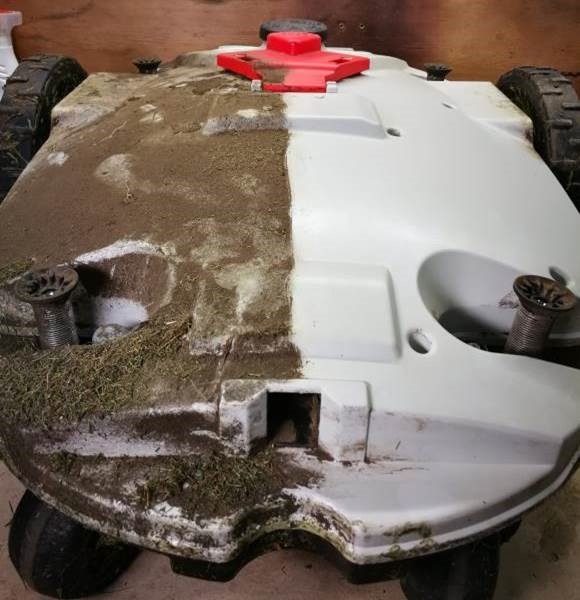
Because the robot mostly works in dry weather, it gets dusty both inside and out. The robot needs cleaning because at the base of the mower there are condensation drainage holes, which settled dust and grass debris can block. This is not good for the electronics if water and moisture remain in the machine. The electrical connections are also assessed and, if necessary, cleaned with special cleaning agents and greases to prevent oxide possibly forming on the connection terminals.
Replacing wear parts
During the cleaning of the robot it becomes clear which parts need replacing. During the iMow end-of-season service, the blade and the front-wheel pivot bushings are definitely replaced first. Depending on the mileage, the mid-season cleaning and the ground, the front-wheel bearings may be worn, which is why the front wheels also need replacing. Various random obstacles on the mowing area also create additional costs.
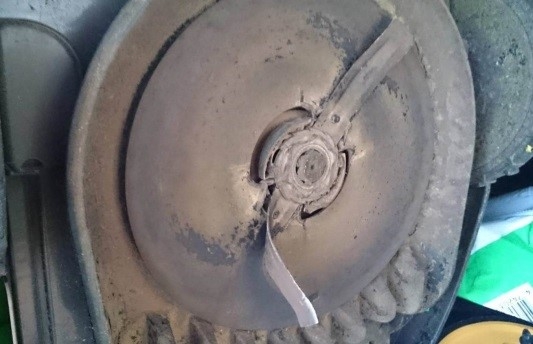
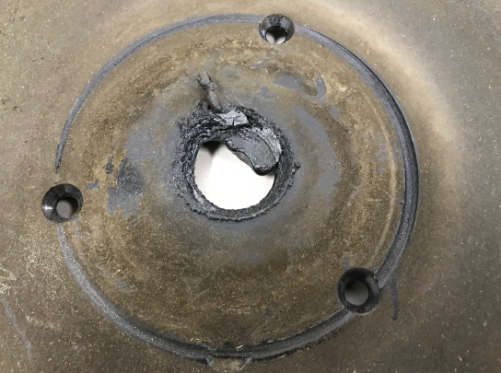
For example, tree branches, cones or toys that have fallen during a storm can deform the blade. In addition to reduced mowing efficiency and increased load, a damaged blade causes vibration, which in turn causes the blade motor's bolts to shake loose. This can cause various problems, ranging from the mowing deck to damage to the electronics.
The iMow service always ends with running a test on the test area and fully charging the battery. A final test is carried out to make sure that the iMow is 100% ready for the next season.
Find out more about the service packages here: https://saemeister.ee/metsa-ja-aiatehnika-remont-ja-hooldus/
Article copyright: Saemeister OÜ. Copying the article or parts of it without written permission is prohibited.
https://www.farron.ee/blog/roboti_hooldus/