Stihl safety equipment
98 products
Showing 1–15 of 98 resultSorted by price: low to high
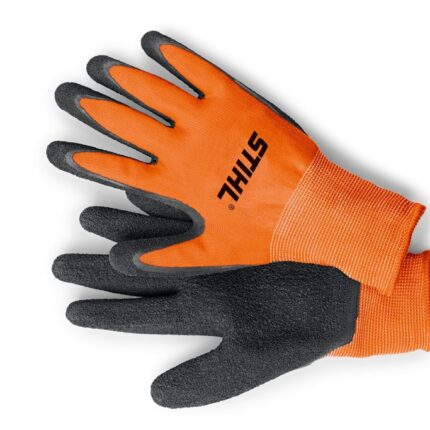
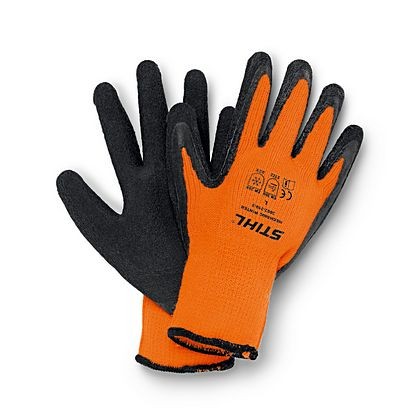
Gloves FUNCTION DuroGrip
Price range: 6,50 € through 6,61 €Pay in three equal instalments 3 x 2.17€
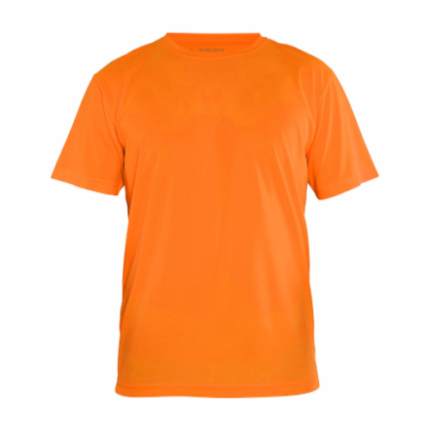
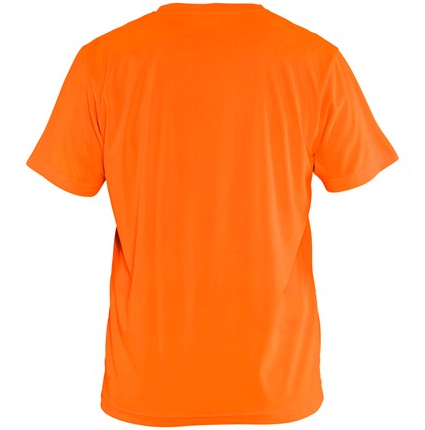
Functional work shirt orange
Price range: 9,68 € through 15,56 €Pay in three equal instalments 3 x 3.23€
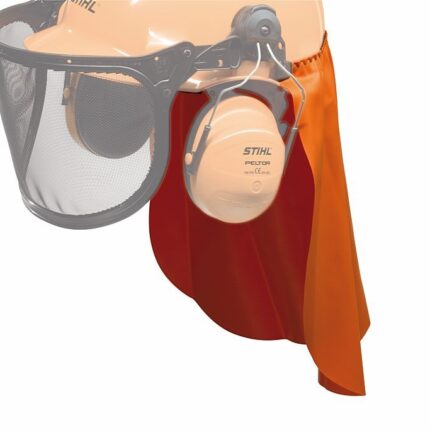
Rain covers for helmets
Price range: 11,00 € through 19,00 €Pay in three equal instalments 3 x 3.67€
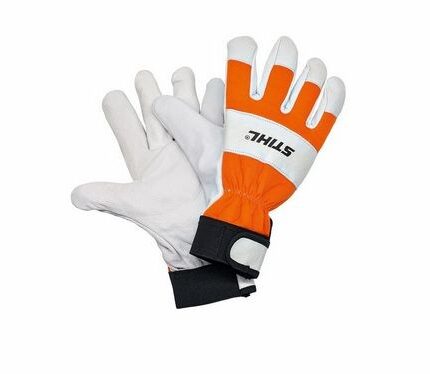
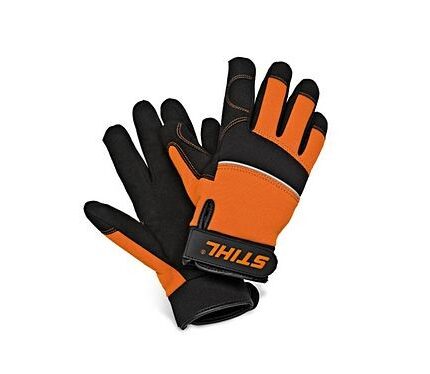
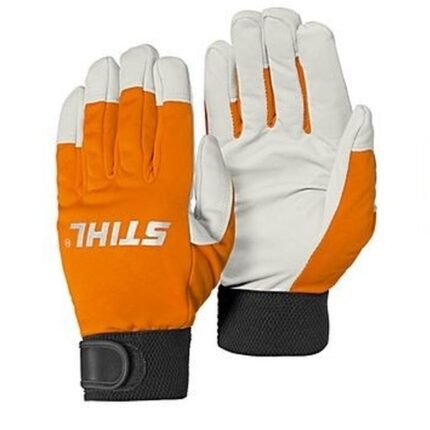
DYNAMIC ThermoVent gloves
Price range: 22,00 € through 22,37 €Pay in three equal instalments 3 x 7.33€
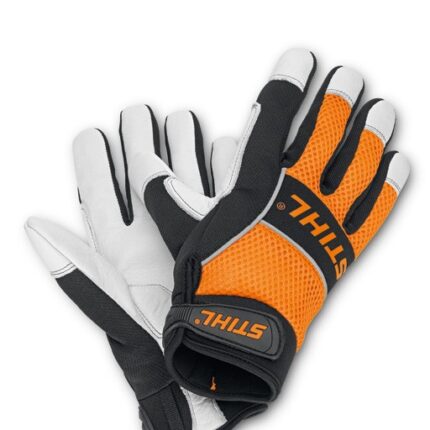
MS ERGO gloves for the forester
Price range: 22,37 € through 27,00 €Pay in three equal instalments 3 x 7.46€
When working or moving about in the forest, safety equipment is extremely important to ensure personal safety and avoid possible injuries. Working in the forest can be dangerous, as the environment is often uneven, there is a risk of falling, cuts can occur during woodworking, and processed materials can cause unexpected injuries. Here is a closer look at how the various elements of safety equipment help to ensure safety:
1. Protection against injuries
- Protective helmet: A helmet protects the head against impacts that can occur from falls, branches or felled trees. A helmet is especially important when working in the forest, as the risk of falling objects is increased when working beneath tall trees or branches.
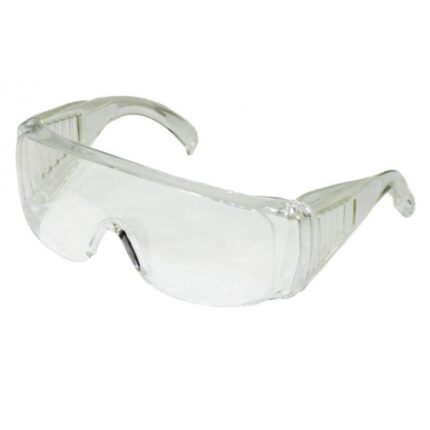
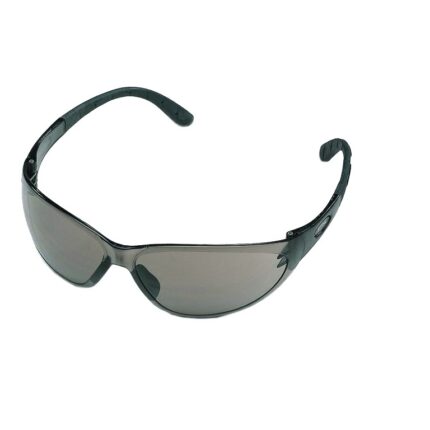
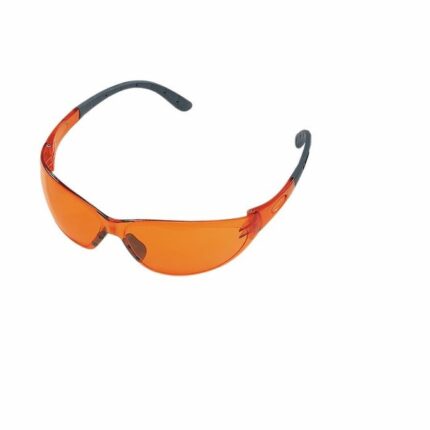
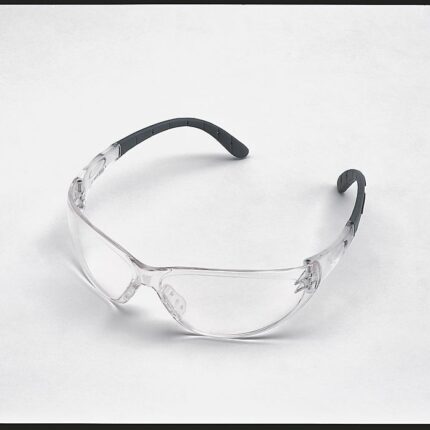
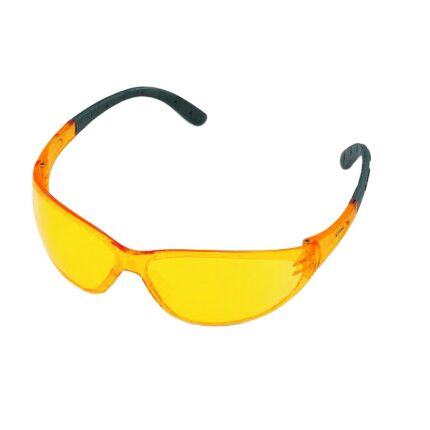
- Safety glasses and face protection: When working with powered or hand saws, dangerous flying particles can be created (e.g. wood dust, branch cuttings). Safety glasses or a visor protect the eyes from injury and keep them safe from sawdust or flying branches.
- Cut-resistant clothing (e.g. cut-resistant trousers or jacket): When working in the forest there is an increased risk of cut injuries, especially when using chainsaws or other sharp tools. Cut-resistant clothing is made from special fibres that can stop the saw chain from moving, protecting the legs and body from more serious cuts.
2. Hearing and vision protection
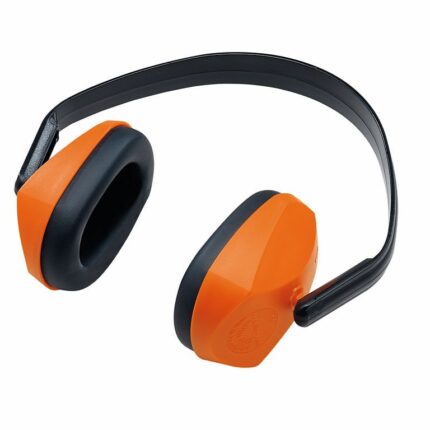
- Ear protectors or ear defenders: When working in the forest, especially when using chainsaws or trimmers, the noise level is high and can cause hearing loss with prolonged exposure. Ear protectors or noise-reducing ear defenders help protect your hearing and reduce the impact of noise.
- Safety glasses: In addition to protecting the eyes from flying objects, some safety glasses also provide UV protection, which is important during prolonged exposure to the sun.
3. Accident prevention and general work safety
- Safety boots: Moving or working in the forest can lead to slipping or stepping on sharp objects (e.g. branches or stones). Safety boots with a sturdy sole and a steel toe cap provide protection against falls and sharp objects.
- Safety harnesses and lighting: When working at height or in confined spaces (e.g. up a tree or in hard-to-reach areas of the forest), it is important to wear safety harnesses and lighting systems that ensure stability and better visibility. Safety harnesses can also keep the worker firmly in place, preventing sudden movements.
4. Impact and slip protection
- Anti-slip gloves and footwear: Slippery or water-covered surfaces can create a risk of falling. Footwear and gloves with anti-slip soles help provide better grip and control, especially when working on wet or sandy ground.
5. Safe use of tools
- Special safety features for tools: In addition to tool safety, the safety functions of tools are also important, such as handle guards and automatic shut-off functions that prevent the tool from starting when it is in the wrong position, or special safety mechanisms that protect against contact with the cutting parts.